
Guide · Nov 3, 2026
The Plant Based Pantry, Stocked Once: Staples to Buy Online
Stock a plant based pantry once with quinoa, oats, coconut milk, tahini, chickpea flour and canned tomatoes, with pack sizes and storage life explained.
By Michael Gonzales · Last updated
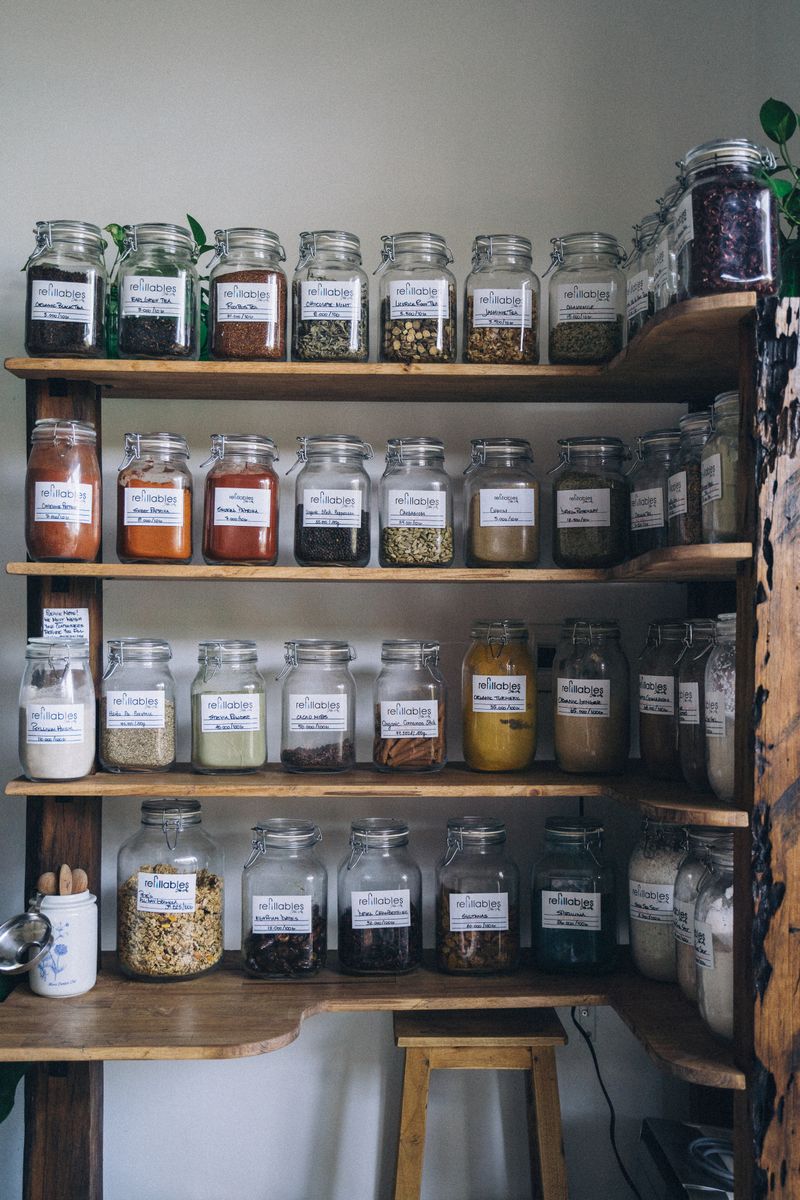
Short answer: Stock a plant based pantry once by buying the shelf stable versions of the ingredients ElectricDiet recipes call for most often: quinoa, rolled oats, canned coconut milk, tahini, chickpea flour and canned tomatoes. Those six items, bought in the pack sizes below as of October 2026, cover breakfasts, hummus, curries, soups and scrambles without a weekly specialty shop. Everything else on the list is fresh produce, tofu or tempeh, bought locally as you need it.
This is a buying guide. Budget, seasonal and storage advice lives in our Plant Based Grocery Guide, and water ratios and cooking times live in How to Cook Quinoa, Rice, Lentils and Beans. Here, the question is narrower: what should you actually put in the online cart, in what size, and how long will it keep?
What should a plant based pantry contain at a glance?
| Staple | Pack in this guide | Planned uses on ElectricDiet | Storage note |
|---|---|---|---|
| Quinoa | 26 oz bag | Breakfast bowls, stuffed peppers, salads | Dry, airtight, pantry |
| Rolled oats | 32 oz bag | Overnight oats, breakfast bowls | Dry, airtight, pantry |
| Coconut milk | 13.5 fl oz cans, pack of 12 | Chickpea curry, soups | Unopened cans in pantry, opened cans refrigerated |
| Tahini | 16 oz jar | Hummus, lemon tahini dressing | Pantry, stir before use |
| Chickpea flour | 16 oz bags, pack of 4 | Veggie scramble, flatbreads | Airtight, pantry or fridge |
| Diced tomatoes | 14.5 oz cans, pack of 12 | Chili, soups, pasta sauces | Unopened cans in pantry |
Pack sizes are the sizes listed for the linked products on Amazon as of October 2026. Prices change often on grocery items, so check the current price on the product page rather than budgeting from any older figure.
Which grains are worth buying online first?
Start with quinoa and oats, because they anchor the most planned meals for the least storage space.
Bob's Red Mill Organic White Quinoa, 26 oz is the grain behind the Quinoa Breakfast Bowl with Berries and Walnuts and the Quinoa Stuffed Peppers with Black Beans. The product label lists 16 servings per container at 1/4 cup dry per serving, which is enough for several batches. Our cooking guide uses 2 cups of water per cup of quinoa and a yield of about 3 cups cooked, so one bag stretches across a week of bowls and one dinner.
Bob's Red Mill Organic Old Fashioned Rolled Oats, 32 oz covers the Overnight Oats with Berries and the oat based breakfasts in the 7 day plan. Rolled oats keep for months in an airtight container, they need no cooking for overnight jars, and they are usually cheaper per serving than instant oat cups. Buy the 32 oz bag rather than single serve cups if breakfast oats are a regular plan.
Brown rice and dried lentils are also pantry staples, but they are heavy, widely available locally, and often cheaper per pound in store. This guide links the items where a specific brand and pack size make online buying simpler, and leaves commodity bags to your usual grocer.
Why buy coconut milk and tomatoes by the case?
Because curries and chili do not wait for a store run. Native Forest Organic Coconut Milk, Classic, 13.5 fl oz cans in a pack of 12 is the creamy base planned for Chickpea Curry with Coconut Milk. The label lists organic coconut, filtered water and organic guar gum, and the product shelf life is listed at 900 days unopened. A case sounds like a lot until you count one can for a curry, one for a soup and one for a sauce across a month.
Muir Glen Organic Diced Tomatoes, 14.5 oz cans in a pack of 12 do the same job for Vegan Black Bean Chili and tomato based soups. The label lists organic tomatoes, organic tomato juice, sea salt, citric acid and calcium chloride, with 30 calories per 1/2 cup serving on the product page. Canned tomatoes are the planned substitute when fresh tomatoes are out of season or priced for summer.
Once a can is opened, move leftovers to a covered container in the fridge and use them within a few days. USDA FoodKeeper guidance, cited on our meal plan page, gives cooked grains and legumes 3 to 5 days in the fridge, and the same short window is a sensible rule for opened canned goods.
What makes tahini and chickpea flour worth a dedicated order?
They are the two ingredients readers most often cannot find in a small local store, and both appear in signature ElectricDiet recipes.
Soom Foods Premium Tahini, 16 oz is a single ingredient sesame paste. It is planned for Homemade Hummus and for the lemon tahini dressing in the 7 day meal plan. Tahini separates in the jar, which is normal. Stir it once, store it in the pantry, and it will loosen again with a spoon. One 16 oz jar covers several hummus batches and dressings, so it earns its shelf space.
Bob's Red Mill Chickpea Flour, 16 oz bags in a pack of 4 is stone ground from whole garbanzo beans. It is the base of the Chickpea Flour Veggie Scramble, and the manufacturer notes it can also thicken soups and sauces and replace up to 25 percent of the flour in baking. A pack of 4 suits households that make the scramble weekly. If you only plan to make it once, buy a single bag locally first and come back for the multipack if it becomes a routine.
How long do these staples keep?
Dry grains, oats and flour keep for months in airtight containers in a cool, dark cupboard. Unopened cans keep far longer, over two years in the case of the coconut milk listing above. The short clocks start after cooking or opening. Cooked grains and legumes keep 3 to 5 days in the fridge according to USDA FoodKeeper guidance cited on ElectricDiet, and opened coconut milk and tomatoes should be used within a few days.
A simple system works. Keep one open container of each dry staple in the kitchen, keep the sealed spares in a pantry box, and write the opening month on the lid. When the kitchen container empties, move a spare up and add the item to your next online order. That rotation is what stocked once really means in practice: one planned order, then small top ups.
When your list is ready, the free Plan My Week tool turns the recipes you pick into one combined grocery list sorted by aisle, so you can check your pantry against the plan before you order anything twice.
Sources
- FoodSafety.gov. FoodKeeper App.
- U.S. Food and Drug Administration. Food Allergies.
Photo: Clear glass jars on wooden shelf by Anna Tarazevich, via Pexels (Pexels license).
Frequently asked questions
How many staples do you need to start a plant based pantry?
Six linked staples in this guide, quinoa, oats, coconut milk, tahini, chickpea flour and canned tomatoes, plus dried or canned beans and lentils from your usual store, cover most ElectricDiet recipes. Add spices, olive oil and nut or seed butters as your planned meals require them.
Is it cheaper to buy pantry staples online or in store?
It depends on the item. Heavy commodity goods such as rice and dried beans are often cheaper locally. Branded, harder to find items such as chickpea flour, tahini and organic coconut milk are where online pack sizes help, especially when a case replaces repeated single can purchases.
Do you need to buy organic versions?
No. The linked products are organic because those are the verified listings used here, and they match the brands ElectricDiet pages already name. Conventional versions of the same staples work in the same recipes. Choose by budget and availability.
What should you buy first on a tight budget?
Quinoa and chickpea flour, in that order. Quinoa covers breakfasts and dinners across the plan, and chickpea flour unlocks a breakfast scramble that needs no eggs and no tofu. Oats are usually cheap enough locally to skip the shipping.
Can you build a grocery list from these staples automatically?
Yes. Pick your recipes in Plan My Week and the tool combines the ingredients into one list sorted by aisle. Cross off the pantry staples you already own, then use this guide only for the gaps.

Written by
Michael Gonzales
Founder & Editor
Michael Gonzales is the founder of Cloudalien Technologies LLC, the company that owns ElectricDiet, and he edits every page on the site. ElectricDiet publishes plant-based recipes, food lists, meal plans and grocery guides. Michael is not a doctor or registered dietitian, so nothing on ElectricDiet is medical advice.